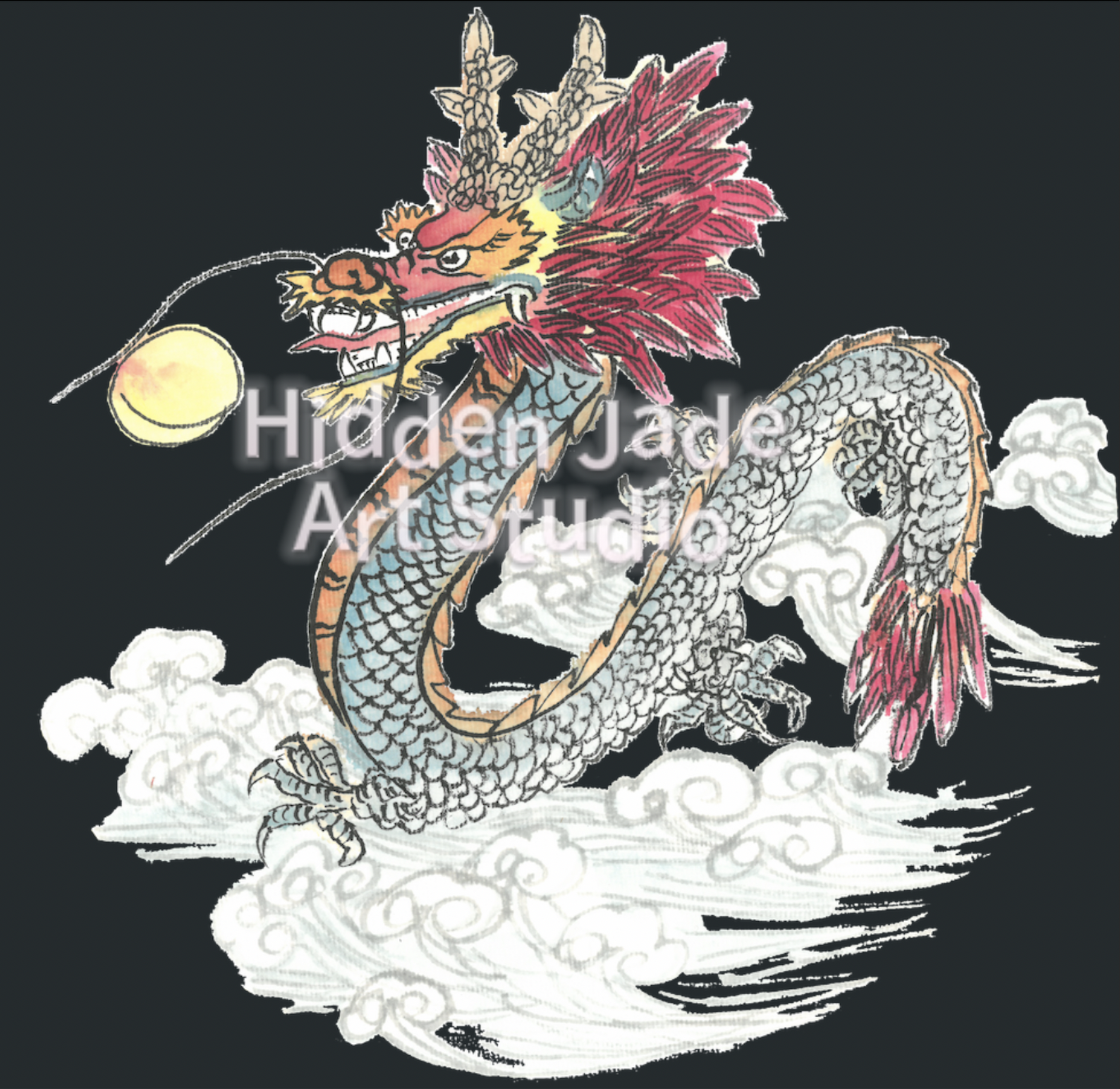
Why Is the Chinese Dragon a Symbol of Good Fortune?
A deer’s antlers, a carp’s scales, an eagle’s claws: look closely at the Chinese dragon’s nine traditional resemblances, its connection with good fortune, and the auspicious clouds around it
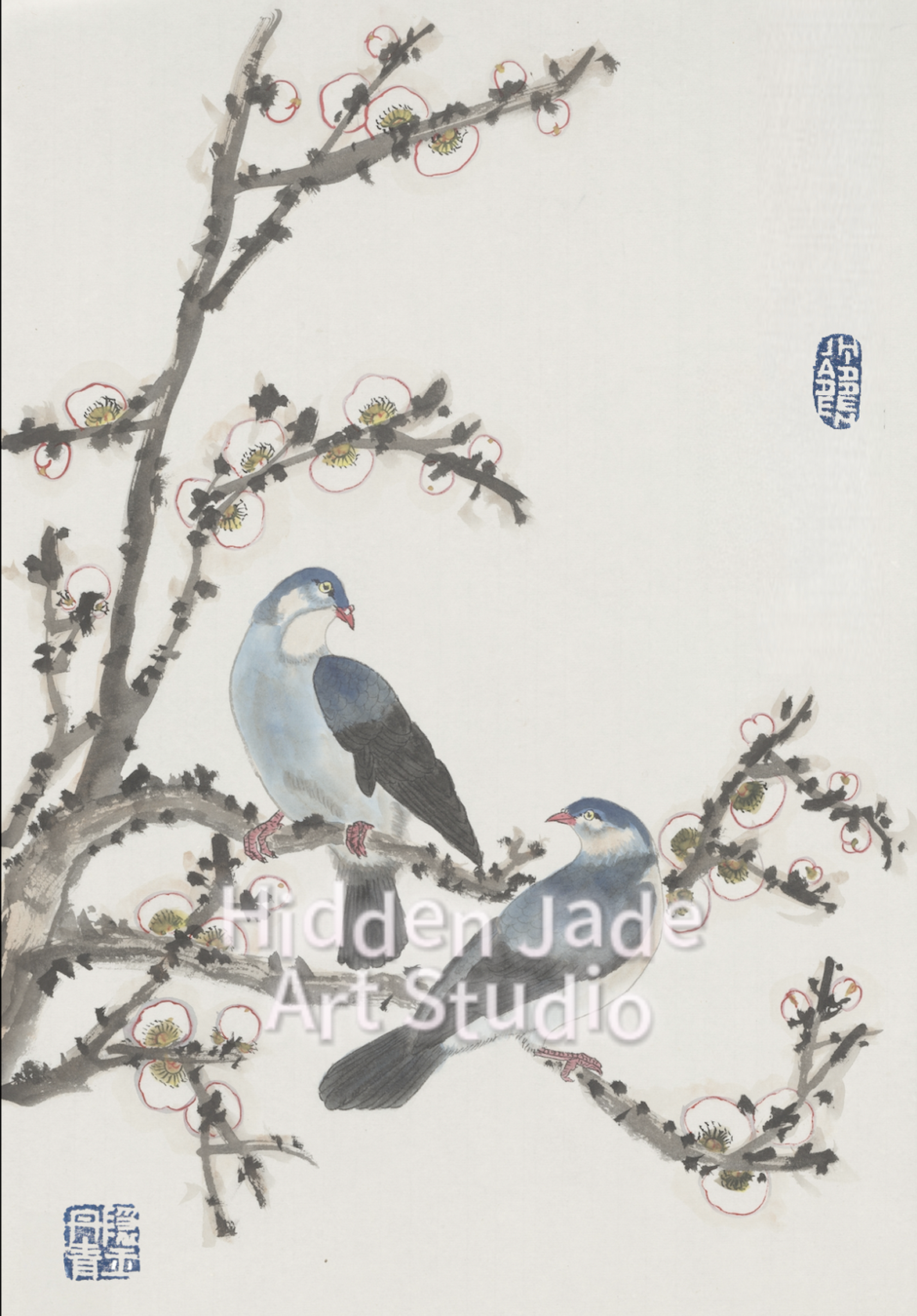
The Quiet Beauty of Gongbi: Painting Through Line, Layer and Patience
A gongbi painting never arrives all at once. Follow two pigeons on a plum branch from their first fine outline to their final touches of blue, and see why the patience stays visible in the finished work.
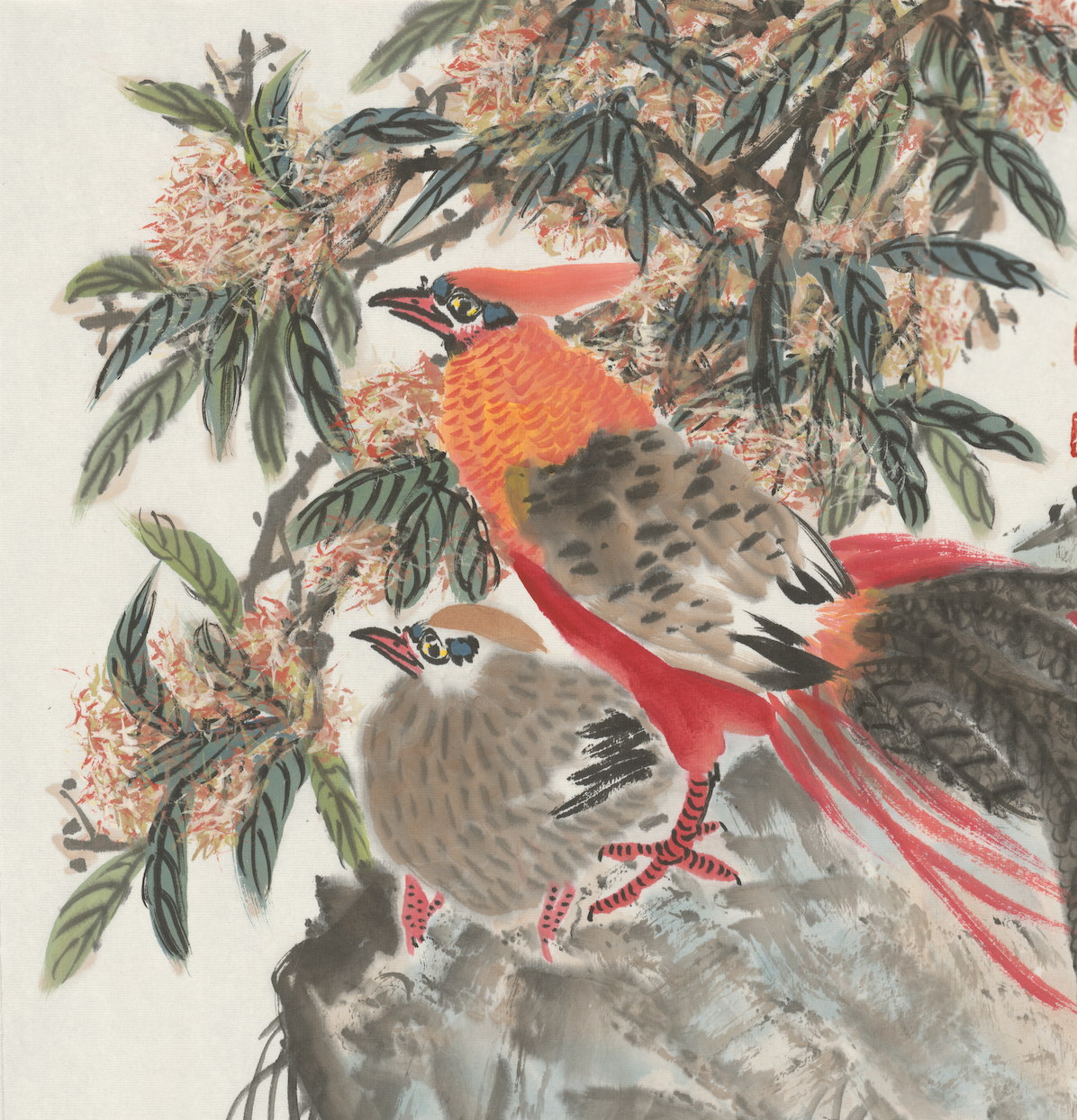
The Beauty of Xieyi: When Ink, Water and Emotion Meet
Xieyi can look effortless—a bird formed in a few strokes, a koi emerging from pale ink. But when colour falls away, every decision of water, pressure and timing becomes visible.
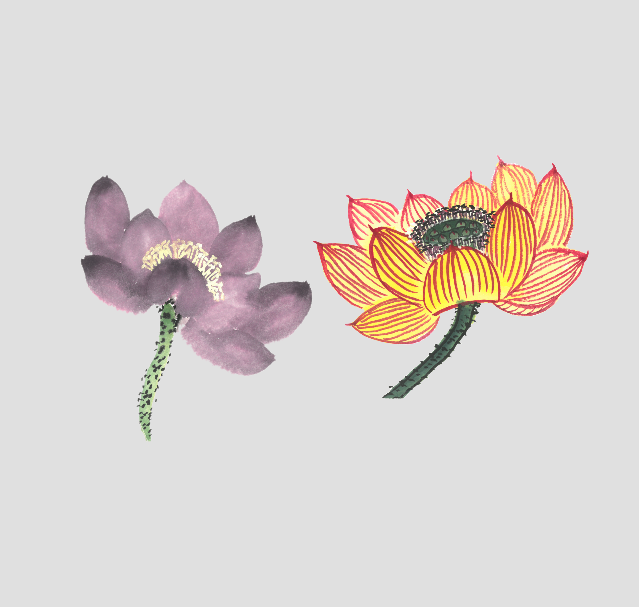
Gongbi and Xieyi: Two Ways of Painting the Lotus
One lotus is built slowly through fine lines and layers of colour. The other blooms through ink, water and a few decisive strokes. Here is the difference between gongbi and xieyi painting.
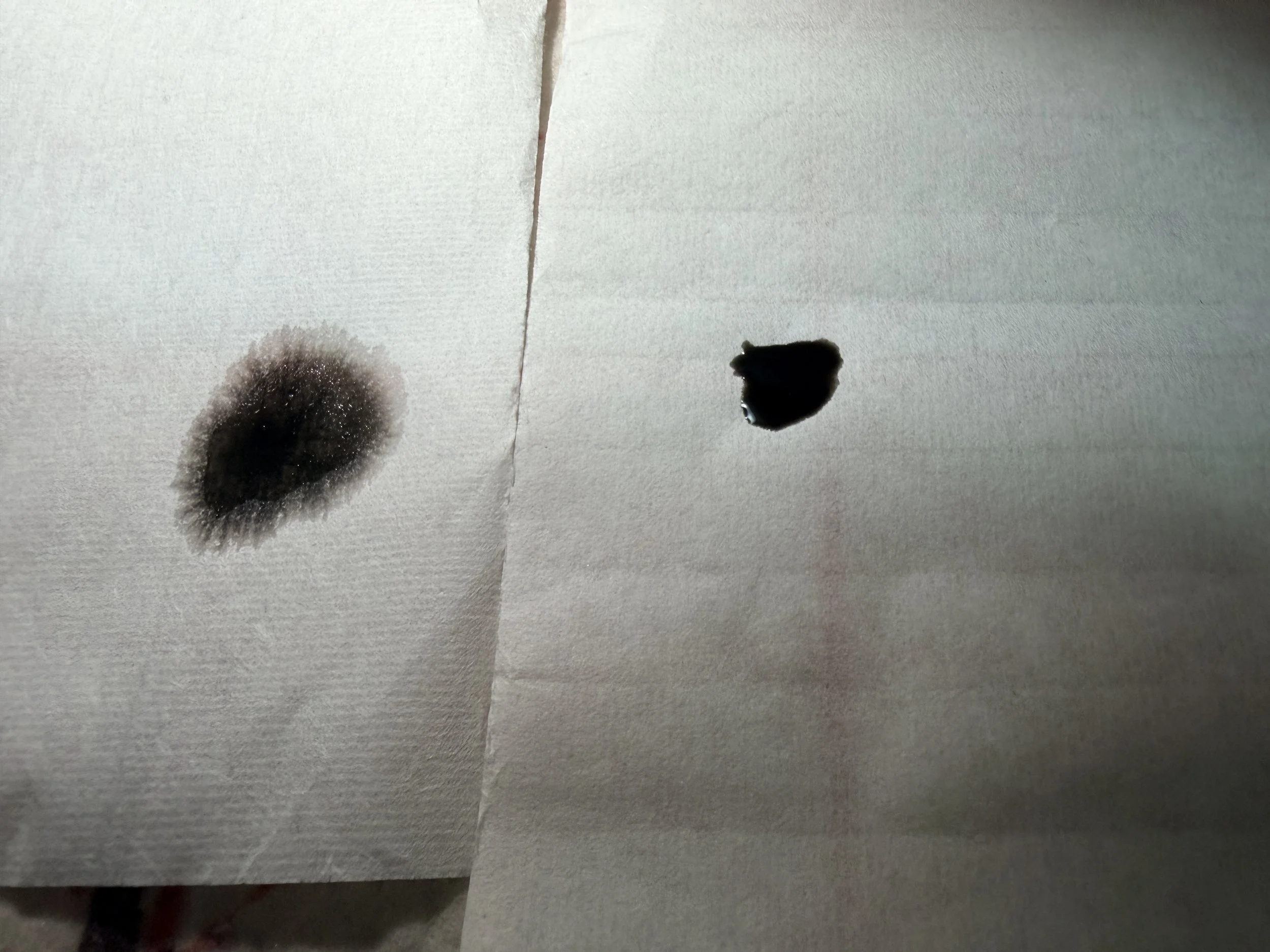
Why Does Ink Spread on Some Chinese Paintings, But Not Others?
Two sheets of xuan paper can look identical. Yet the same ink blooms on one and stays contained on the other—changing every brushstroke before it begins.
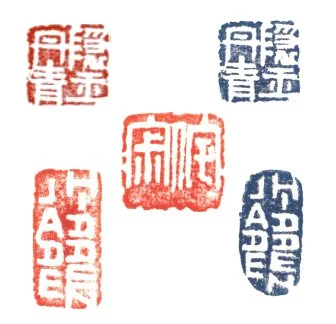
Why Chinese Paintings Have More Than One Seal
Why do traditional East Asian paintings have more than one seal? Learn the meaning of name seals, corner seals, collector's seals, and how Hidden Jade continues the tradition with hand-carved seals.
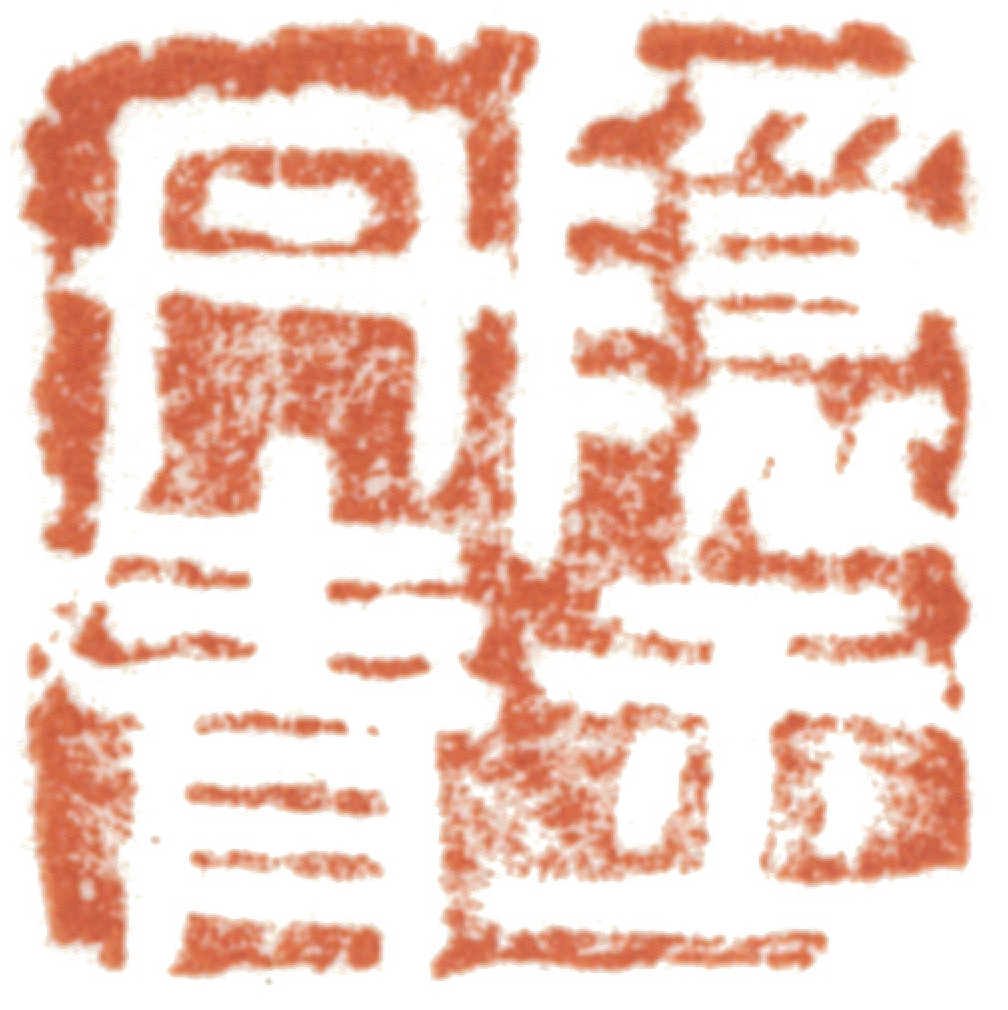
Why Do Traditional Chinese Paintings Have Red Seals?
Those small red marks are more than a signature. Here's what they mean, why they're red, and why so few painters still carve their own.